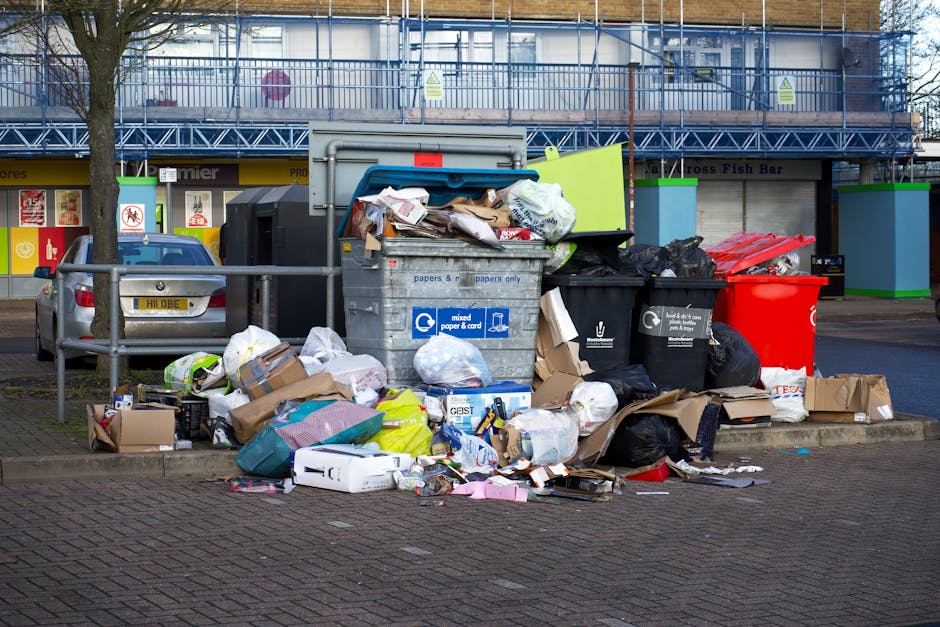
Radlett station bulky rubbish collection after events
When an event finishes near Radlett station, the last thing anyone wants is to be staring at a half-cleared mess of broken chairs, packaging, food waste, banners, cables, and the odd forgotten item that somehow ended up behind a table. Radlett station bulky rubbish collection after events is the practical, post-event clean-up step that gets the space back to normal quickly, safely, and without turning a busy evening into a stressful next-day problem.
Whether you have hosted a community gathering, a business reception, a private function, or a pop-up promotional event, bulky waste builds up fast. And bulky waste is rarely just "rubbish". It often includes awkward items that are too large for regular bins, too mixed for a quick tidy-up, and too time-sensitive to leave hanging around. This guide explains how the process works, what to watch for, and how to handle it in a way that is efficient, compliant, and surprisingly straightforward once you know the rhythm of it.
To be fair, event clean-up always sounds easier before the last guest leaves. Then the lights come up, the floor looks messier than you remembered, and suddenly you realise there are three pile-ups of mixed waste and no clear plan. That's exactly where a good bulky rubbish collection service earns its keep.
Table of Contents
- Why Radlett station bulky rubbish collection after events Matters
- How Radlett station bulky rubbish collection after events Works
- Key Benefits and Practical Advantages
- Who This Is For and When It Makes Sense
- Step-by-Step Guidance
- Expert Tips for Better Results
- Common Mistakes to Avoid
- Tools, Resources and Recommendations
- Law, Compliance, Standards, or Best Practice
- Options, Methods, or Comparison Table
- Case Study or Real-World Example
- Practical Checklist
- Conclusion
- Frequently Asked Questions
Why Radlett station bulky rubbish collection after events Matters
Events create waste in patterns that regular day-to-day cleaning simply does not. You get a sudden spike in cardboard, packaging, disposable crockery, damaged decor, signage, table units, drinks trays, and sometimes furniture that has been moved, stacked, or broken. Around transport-adjacent locations like Radlett station, that matters even more because access, timing, footfall, and safety all become part of the job.
A bulky rubbish collection after an event is not just about tidiness. It helps prevent blocked access routes, trip hazards, unpleasant odours, and the sort of untidy spill that can make a site look unmanaged the next morning. If you are welcoming staff, clients, traders, or the public back in the following day, the clean-up can shape the whole impression of the event. Quite a lot, really.
There is also a practical side that gets overlooked. Mixed waste left out overnight can attract attention, get moved by weather, or become harder to sort. Wet cardboard turns heavy and unpleasant. Loose plastic starts blowing around. Food waste in a hurry becomes someone else's problem. You know how that goes.
For event organisers working in and around Radlett, the best results usually come from planning the clear-out at the same time as the event itself. It sounds obvious, but in the rush of setup and hosting, post-event waste is often treated like an afterthought. That's where things slip.
How Radlett station bulky rubbish collection after events Works
In simple terms, bulky rubbish collection means removing larger or awkward waste items that cannot be dealt with efficiently through normal bins. After events, this can include anything from broken furniture and display stands to large sacks, boxes, excess stock, rolled carpet, old signage, or damaged appliances used for catering support. If the waste is heavy, bulky, mixed, or awkward, it is usually better handled through a dedicated collection.
The process normally starts with a quick assessment. What needs to go, what is recyclable, what is reusable, and what must be separated because it is hazardous or sensitive? That last bit matters more than many people think. A pile of "just rubbish" often contains different materials that need different handling. A cable reel, for example, is not the same as food packaging; a stained sofa is not the same as a stack of cardboard.
Once the waste is identified, the collection is scheduled so it fits around access conditions, event timing, and any restrictions near the station area. That may mean an early-morning pickup, a same-day collection, or a later removal once crowds have cleared. If your event ends late, timing can be everything. Nobody wants a van trying to thread through a crowd with tables still being carried out.
After collection, the waste is sorted for recycling, reuse, or disposal depending on the material. Where items are suitable, they should be diverted away from landfill in line with current UK best practice. If you want to understand that side in more detail, the company's recycling and sustainability approach is a useful place to start.
For mixed event waste, it also helps to know what can safely go together. If you are deciding whether something belongs in a mixed load, the guide on what can go in a skip is a handy reference point, even if you are not using a skip specifically. The same general logic applies: separate what needs separating, and don't assume everything can be thrown together.
Key Benefits and Practical Advantages
There are a few clear reasons why post-event bulky rubbish collection is worth planning properly rather than treating it as an emergency call-out.
- Faster reset of the venue or site. The space can return to normal quickly, which is especially useful if another booking follows soon after.
- Less disruption for staff. Your team can focus on hosting, packing down, or customer service instead of hauling awkward waste around.
- Improved safety. Clear floors, exits, and service areas reduce the risk of trips and collisions.
- Better presentation. A clean site makes a good impression on clients, neighbours, and venue owners.
- More efficient sorting. Recyclables, reusable items, and general waste can be separated more sensibly when the collection is planned in advance.
There is a softer benefit too: peace of mind. After an event, people are tired. The venue is warm, noisy, and a bit chaotic. Having a structured collection booked means you can stop improvising. That alone is worth something.
If the event is commercial or business-related, bulky waste management can also support your broader operations. For example, a company with temporary event furniture or exhibition materials may already use broader business waste removal support during the year. The post-event phase is just the next sensible step.
Who This Is For and When It Makes Sense
This service is relevant for a lot more people than you might expect. The obvious users are event organisers, but the need often comes from the people behind the scenes: venue teams, caterers, promoters, facilities managers, local traders, and office teams hosting client functions.
It makes sense when you have any of the following:
- large quantities of mixed waste after a launch, reception, or community event
- bulky items that will not fit in normal bins
- temporary furniture, staging, or display materials to remove
- damaged items that cannot be stored safely overnight
- a tight turnaround before the venue is used again
- access restrictions that make a fast, coordinated collection easier than self-removal
It is also useful if the event created more than just waste. Sometimes there is a mixture of unwanted furniture, leftover stock, packaging, and dismantled equipment. In that case, a broader waste removal solution can be more practical than booking separate services one by one. Less faff, fewer moving parts.
For smaller events, you may only need a modest pickup. For larger ones, the collection can be part of a wider clear-down that includes items from storage, stockrooms, or temporary prep spaces. If the clean-up has spread into other parts of the building, services like office clearance or flat clearance may become relevant, especially where event teams have used internal rooms for staging or overflow storage.
Step-by-Step Guidance
Here is the simplest way to approach a post-event bulky rubbish collection without making it harder than it needs to be.
- Walk the site and list the waste. Do a full sweep, including corners, back rooms, storage zones, and outside areas. You will nearly always find one extra pile somewhere. Always.
- Separate the waste into rough categories. Keep cardboard, reusable items, general rubbish, metal, and hazardous materials apart where possible.
- Identify anything awkward or risky. This includes glass, sharps, food-contaminated waste, fridges, loose liquids, and anything leaking or damaged.
- Decide what is being removed immediately and what can wait. If you need the site clear the same evening, prioritise the largest and most obstructive items first.
- Check access and loading points. Near transport hubs, access can be more time-sensitive than you expect. Think about vehicle entry, walking routes, and where waste will be staged before collection.
- Book the right collection window. Match the pickup to your event finish time and the hours the site is actually accessible.
- Prepare the items for loading. Break down what can be safely flattened, seal smaller bags, and keep heavy items together so the crew can work quickly.
- Keep documentation or notes if needed. For business events, it helps to record what has gone and whether any special items were included.
A small practical note: if the event involved furniture hire, staging, or pop-up seating, it is worth checking whether any items are repairable or reusable before you dispatch them. You do not want to throw away something that could have been used again next month.
If the bulky items are mainly tables, sofas, or chairs, the dedicated pages for furniture clearance and furniture disposal can help you think through the right route. For mattresses or soft seating used at events or hospitality setups, mattress and sofa disposal is more appropriate. Small detail, big difference.
Expert Tips for Better Results
There are a few habits that make a post-event collection smoother, and they tend to be the same ones that save time in the real world.
1. Start waste sorting before the event ends. If possible, set up labelled collection points during breakdown. That way, packaging, glass, food waste, and bulky items do not all end up in the same corner. It is far easier to manage as you go than to sort a mountain at midnight.
2. Use one person to coordinate the clear-out. A single point of contact avoids confusion. Everyone else can be packing, sweeping, or stacking, but one person should know what is leaving, what is staying, and what needs special handling.
3. Protect walking routes. When people are carrying items out after an event, the main risk is often not the item itself. It is the route. Keep doorways, steps, and loading zones free of stray boxes, cables, and bags.
4. Be realistic about timing. If the event has ended late and staff are exhausted, do not plan on an over-ambitious self-clearance. A fast collection the next morning may be the calmer option, and truth be told, calmer is usually better.
5. Keep hazardous or specialist waste separate. If you discover anything unusual, pause and treat it properly. For example, electrical equipment, refrigerating units, chemicals, or stained materials may require specialist attention. Where needed, the company's hazardous waste disposal information is worth reviewing before you book anything in.
6. Plan for the "last 10 percent". Most event teams think about the visible waste. The last 10 percent is the awkward bit: under-table debris, behind-stage clutter, or the heavy item stuck at the back. That last bit is often what slows everything down.
One more thing: if the event involved catering, appliance use, or temporary refrigeration, consider whether any units need separate removal. Fridges and similar items are not just bulky; they need the right handling. The fridge and appliance removal page covers that type of item in a more targeted way.
Common Mistakes to Avoid
Most problems after events come from haste, not bad intentions. That said, a few mistakes crop up again and again.
- Leaving bulky waste until the next day without a plan. The pile often grows overnight, and the site looks worse in the morning.
- Mixing everything together. Recyclables, food waste, and specialist items should not be treated as one lump if you can help it.
- Underestimating access issues. A clear collection plan matters more in tight or busy areas than many teams realise.
- Forgetting about hidden items. Storage rooms, mezzanines, side entrances, and event back-of-house areas are frequent culprits.
- Assuming all waste is standard waste. Some items need separate collection, and guessing can create delays.
- Not checking the service terms. Before booking, it helps to understand what is included, how access is handled, and how payments are processed. The company's terms and conditions and payment and security pages can help with that.
A subtle one: people sometimes ask cleaners to "just sort it all out", and cleaners nod because they are trying to be helpful. But if nobody has identified the bulky waste in advance, the collection becomes slower, messier, and more expensive than it needed to be. Not ideal.
Tools, Resources and Recommendations
You do not need an elaborate toolkit for post-event bulky rubbish collection, but a few simple items make a big difference.
- Heavy-duty sacks for mixed small waste and compactable debris
- Labelled boxes or stack points for items that need sorting
- Gloves and basic PPE for anyone handling debris or broken items
- Trolleys or dollies for safe movement of heavier loads
- Floor protection where items are being moved across finished surfaces
- Spill kits or absorbent materials if drinks, oils, or food liquids are involved
From a planning perspective, it also helps to keep a simple waste map for the event: where waste will be collected, where bulky items will be stored, and how the loading area will work. This is especially useful for venues near transport routes, where space can feel tighter than you expect. A minute spent mapping saves ten minutes of awkward dragging later on.
If you need a broader property tidy-up before or after the event, you may find the following useful depending on the space involved: home clearance for domestic-style settings, house clearance for larger clearances, garage clearance for storage-heavy spaces, and loft clearance where event stock or old materials have been stashed overhead for months. It sounds niche, but that kind of overlap happens a lot.
For businesses wanting a more formal overview of service standards and company values, about us gives helpful background, and insurance and safety is a sensible read before arranging any removal on a busy site.
Law, Compliance, Standards, or Best Practice
For bulky rubbish after events, the key compliance point is straightforward: waste should be handled responsibly, safely, and in line with current UK expectations for lawful disposal and duty of care. You do not need to become a legal expert to do this well, but you do need to avoid casual handling of waste that could be problematic.
In practice, that means a few basic principles:
- do not leave waste where it could create a hazard for the public or staff
- separate items that need specialist handling
- keep an eye on contamination between recyclable and non-recyclable materials
- use a provider that works with sensible safety procedures
- follow any site-specific rules, venue rules, or access arrangements that apply
For business events, it is also wise to keep a record of what was removed, especially where mixed waste or sensitive material was involved. That is less about bureaucracy and more about being able to answer simple questions later without scrabbling for details. A paper trail can save a lot of sighing.
Where waste contains confidential material, do not just put it in the general load. Separate it and handle it appropriately. If you have paper records, branded files, or sensitive event paperwork, confidential shredding may be the better route. Sensible, tidy, and much less stressful.
Best practice also means booking with a company that is transparent about service terms, safety, and disposal methods. That is where pages like health and safety policy and recycling and sustainability become genuinely useful rather than just formalities.
Options, Methods, or Comparison Table
There are several ways to deal with bulky rubbish after an event. The best choice depends on volume, timing, access, and whether the waste is mixed or specialised.
| Method | Best for | Advantages | Limitations |
|---|---|---|---|
| Self-clearance | Very small volumes and easy-access sites | Simple if you already have vehicles and labour | Time-consuming, tiring, and awkward for bulky items |
| Skip-based approach | Predictable loads with space for placement | Useful for ongoing clear-downs and mixed waste | Needs site space and can be less flexible for immediate post-event turnaround |
| Dedicated bulky rubbish collection | Fast removal after events, especially where access is tight | Efficient, practical, and tailored to the load | Requires good planning and clear item separation |
| Specialist item removal | Appliances, furniture, mattresses, or hazardous materials | Safer and more appropriate for awkward waste streams | May need separate bookings or extra preparation |
If you are dealing with construction-style event builds, pop-up structures, or exhibition fitting waste, a more specific route such as builders waste clearance may suit the job better. The key is not to force one method onto every type of waste. Mixed loads are common, but not all mixed loads should be treated the same way.
For a lot of event teams, a short, direct pickup is the sweet spot. It keeps the cleanup moving and avoids leaving materials lying around when people are tired and ready to go home.
Case Study or Real-World Example
Picture a small evening event near Radlett station: a local business hosts a networking reception with temporary seating, branded display boards, cardboard boxes, drink trays, and a few damaged items from setup. By the end of the night, the room is still tidy enough to walk through, but there are three obvious waste zones and a growing stack of awkward items in the back room.
The organiser initially thinks the team can sort it all the next morning. But one look at the loading route changes that plan. There is limited access, a tight turnaround before another booking, and a few items that are too bulky to leave in place. Instead, the team separates the waste into piles: recyclable packaging, general rubbish, furniture, and a small group of items needing special care.
A same-evening collection is booked, the bulky items are staged by the exit, and the next morning the site opens without the smell of stale drinks, cardboard mush, or that faint "event aftermath" feeling you get when things have been left a bit too long. Nothing dramatic. Just a clean reset.
That kind of outcome is not fancy, but it is exactly what people want. The event ends, the waste disappears, and nobody has to spend the next day stepping around boxes and wondering who is meant to deal with the pile.
Practical Checklist
Use this checklist before booking your post-event bulky rubbish collection:
- Have you listed all bulky and awkward items?
- Have you separated recyclable, reusable, general, and specialist waste?
- Do you know which items are hazardous, confidential, or appliance-based?
- Is the access route clear for loading?
- Have you matched the collection time to the event finish and site access?
- Are staff briefed on where waste should be staged?
- Have you checked whether any furniture, display units, or equipment can be reused?
- Have you reviewed any service terms, payment details, and safety requirements?
- Is there a named person responsible for handover on the day?
- Do you have a backup plan if the volume turns out to be higher than expected?
Expert summary: The best post-event bulky rubbish collections are not the ones that feel rushed. They are the ones that are planned early, sorted cleanly, and removed in one calm, efficient sweep. Less drama, less mess, better results.
Get a free quote today and see how much you can save.
Conclusion
Radlett station bulky rubbish collection after events is really about control. Control over time, access, safety, and the way your venue or site looks once the guests have gone home. If you plan the collection properly, the whole process becomes much easier: fewer delays, less strain on staff, and a cleaner handover for whoever uses the space next.
It is tempting to treat post-event waste as a final task you will "deal with later". In practice, later is usually more expensive, more awkward, and more chaotic. A bit of planning up front keeps the job small. And small jobs are nice. They just are.
If you are preparing for an event, or clearing one down after a long day, the best next step is simple: separate the waste, decide what needs specialist handling, and book a collection that fits the site rather than forcing the site to fit the waste. That alone takes a lot of pressure off.
There is a real satisfaction in seeing a venue reset properly after the noise, the hustle, and the last leftover crate being carried out. Clean floor. Clear path. Fresh start. That feeling matters more than people admit.
Frequently Asked Questions
What counts as bulky rubbish after an event?
Bulky rubbish usually means larger or awkward items that are not suitable for ordinary bins, such as broken furniture, display boards, staging materials, signage, large packaging, and certain catering items.
Can bulky event waste be removed the same day?
Often, yes, if access is clear and the collection is arranged early enough. Same-day removal is especially useful when the venue needs to be reset quickly or another booking is due soon after.
Do I need to separate recyclable items before collection?
Yes, where possible. Separating cardboard, plastics, metal, and reusable items makes the process cleaner and more efficient. It can also support better recycling outcomes.
What if the event included a fridge, freezer, or other appliance?
Appliances usually need specific handling. They should not be treated as ordinary bulky waste. Separate them and use a more suitable removal route such as appliance-specific collection.
Is post-event rubbish collection suitable for small private events?
Absolutely. Even smaller events can leave behind awkward waste, especially when furniture, food service items, or temporary decor are involved.
What should I do with confidential papers from an event?
Keep confidential paperwork separate from general waste. If the material needs secure destruction, confidential shredding is the safer and more appropriate option.
How far in advance should I book a collection?
As early as you can. Good planning helps with timing, access, staffing, and any special item handling. That said, last-minute collections are sometimes possible if the site is ready.
Can bulky rubbish include damaged furniture from event hire?
Yes. Damaged chairs, tables, sofas, and similar items are common after events and can usually be handled through furniture-focused collection or disposal services.
What happens if the waste includes hazardous materials?
Stop and separate them. Hazardous items need proper assessment and handling, so they should not be mixed into a normal load without checking first.
How do I know whether I need clearance, disposal, or general waste removal?
If the items are large, mixed, or awkward after an event, bulky waste collection or waste removal is usually the right starting point. If the load is mainly furniture, appliances, or a specific item type, a more targeted service may be better.
Is this type of collection useful for venues near busy transport points?
Yes, very much so. Locations with tighter access or higher footfall benefit from organised, well-timed collections because they reduce disruption and make loading safer.
What is the main mistake people make after events?
The biggest mistake is waiting too long to plan the waste removal. Once the event ends, everyone is tired, and even a small clean-up can feel twice as big as it really is. A clear plan changes everything.